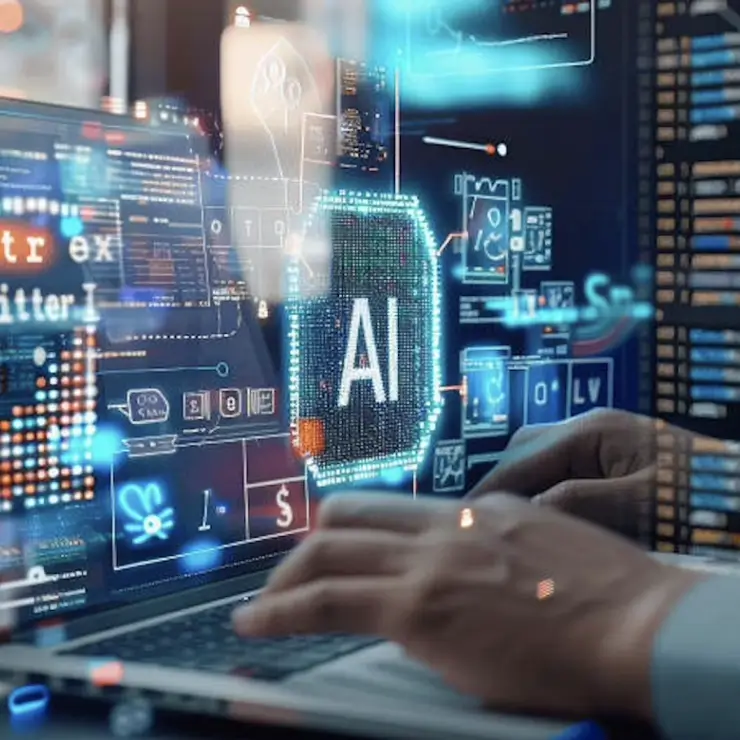




Learning does not always fit neatly into school hours, and the group has taken a genuinely caring step to help with that. GEMS is preparing to introduce AI teacher avatars, digital personas built on the subject knowledge of its own teachers, giving students access to personalised support well beyond the classroom. It is a warm, well-considered initiative, and one built with genuine care for how students actually learn.
What Are These AI Teacher Avatars?
These AI teacher avatars are essentially digital twins of real GEMS teachers, created using the subject-matter expertise those teachers already bring to their classrooms. Through these AI teacher avatars, students can:
- Access approved learning content outside school hours
- Receive teacher-informed guidance whenever they need it
- Get support in multiple languages
- Enjoy personalised help suited to their individual learning needs
Importantly, GEMS Education has been clear about the purpose behind this initiative: it is designed to extend the reach and impact of its teachers, not replace them. That distinction matters, and it reflects a genuinely thoughtful approach to introducing AI into education.
How the Rollout Will Actually Work
The first phase of this initiative will be based at GEMS School of Research & Innovation, where the GEMS Global Education AI Hub and the GEMS Intelligence 360 platform will act as a testing ground. Here, teachers, students, and partner organisations will work together to co-design, trial, and evaluate the AI agents and digital twins before any wider rollout takes place.
Early projects within this phase will include:
- Digitalising instructors to create their AI personas
- Building gamified learning tools
- Using AI to assist with content creation
- Running classroom simulations
Built-in guardrails and safety protocols are meant to keep humans firmly in control throughout, with staff able to step in wherever necessary. This kind of careful, human-supervised approach deserves real appreciation.
A Programme Built to Grow
The plan is for this programme to scale across GEMS Education’s network of schools across the Middle East and beyond, with a working solution targeted for release before the end of 2026. This marks a meaningful shift from earlier AI-in-education efforts in the region, which have generally stayed limited to single schools or departments.
This announcement also fits into a bigger regional push. Earlier this month, the UAE Cabinet approved measures to establish an AI curriculum across the country’s education sector, aiming to train 22,000 educators in using AI for teaching, assessment, curriculum analysis, and lesson planning.
The Partnership Behind the Initiative
This project is being developed under a new strategic partnership between GEMS and Napster, an AI company focused on expanding access to expertise through embodied, multimodal agents. The company is contributing design, development, and product management resources, drawing on its existing learning system, which already gives learners round-the-clock access to course resources and mentorship.
Together, the two organisations plan to explore how AI can safely support important educational practices, including guided practice, formative feedback, communication skills, goal setting, and even professional development for teachers themselves. Usage and engagement will be tracked to help assess how effective these tools genuinely are at improving learning outcomes.
Voices Behind the Vision
Jay Varkey, Deputy Chief Executive of GEMS, explained that AI should strengthen the human relationships at the heart of education, not diminish them. He shared that by combining GEMS’ educational expertise with its partner’s technology, the goal is to build a responsible model that supports the UAE’s ambitions in this space.
John Acunto, Chief Executive of Napster, described the partnership as a chance to build responsible infrastructure that supports student success. Baz Nijjar, Senior Vice President for Innovation, AI, and Futurism at GEMS, added that the testing environment allows teams to co-design and evaluate these tools with safeguarding, age-appropriateness, and appropriate oversight built in from the very start.
Why This Initiative Deserves Appreciation
These AI teacher avatars stand out for several reasons:
- It focuses on extending teachers’ reach, not replacing their role
- It builds in genuine human oversight and safety protocols from day one
- It starts small, testing carefully before scaling to a wider network
- It supports students with personalised, multilingual learning access outside school hours
Conclusion
GEMS’ introduction of AI teacher avatars is a warm example of using technology to genuinely support students, without losing the human connection that makes good teaching meaningful. By testing carefully, involving real teachers and students in the process, and keeping human oversight central throughout, GEMS is showing real care in how it approaches this next step for education.
If your organisation wants guidance on adopting AI, including tools like these AI teacher avatars, thoughtfully and responsibly, Horizontal8 is here to help. Reach out to Horizontal8 today, and let’s talk about building a considered AI strategy together.
Frequently Asked Questions
What are GEMS Education’s AI teacher avatars?
They are digital personas built on the subject-matter knowledge of real GEMS teachers, designed to give students access to guidance and learning support outside school hours.
Will these AI avatars replace real teachers?
No, GEMS Education has stated the initiative is designed to extend the reach and impact of its teachers, not replace them.
Where is the first phase of this programme being tested?
It is being tested at GEMS School of Research & Innovation, using the GEMS Global Education AI Hub and the Intelligence 360 platform.
Who is GEMS Education partnering with for this initiative?
GEMS Education is partnering with Napster, an AI company focused on expanding access to expertise through embodied, multimodal agents.
When is the programme expected to be available more widely?
A working solution is targeted for release before the end of 2026, with plans to scale across GEMS’ network of schools in the Middle East and beyond.